This article was originally published in The Courier on 14th December 2019.
NEXT WEEK’S TV
RESPONSIBLE CHILD
Monday,
BBC Two, 9pm

Based
on a true story, this riveting standalone drama follows a twelve-year-old boy,
Ray, as he stands accused of the brutal murder of his stepfather. Ray (a
haunting performance from newcomer Billy Barratt) is a bright, shy, sensitive
child from an abusive family background. The details of his alleged crime are
gradually revealed via fraught flashbacks. Meanwhile, his dedicated defence
team mount their case. Criminal law in England and Wales decrees that children
as young as ten are fit to stand trial in an adult court. Responsible Child probes deeply into the stark ramifications of
that law. Etched in nauseating shades of anguished verisimilitude, it’s a
compassionate piece in the Ken Loach vein. It will linger.
STICKS AND STONES
Monday
to Wednesday, STV, 9pm

When
a successful businessman botches a crucial sales pitch through no fault of his own,
his colleagues start to bully him. Bullying in the workplace is a serious issue,
but the well-intentioned message behind this three-part drama from Doctor Foster creator Mike Bartlett is
fatally undermined by sledgehammer writing. It’s utterly ridiculous. The
victim’s tormentors are one-dimensional pantomime villains, their cruel
behaviour is absurdly blatant. In real life they’d be more insidious, that’s
how bullying among adults tends to work. Bartlett presumably knows this, but
subtlety has never been his strong point. Sticks
and Stones is a missed opportunity, a drama with its heart in the right
place but with a big fat foot in its mouth.
THE GALAXY BRITAIN
BUILT: THE BRITISH FORCE BEHIND STAR WARS
Monday,
BBC Four, 9:30pm

Now
this is rather lovely. Star Wars, as
we know, was a game-changing Hollywood blockbuster, but it would never have
existed or thrived without the efforts of talented British artisans. To
illustrate that point, affable broadcaster David Whiteley, a lifelong Star Wars fan, meets some of those now
elderly producers and design pioneers. It’s a thorough excavation of a project
that was regarded as an utter oddity, an expensive folly, at the time, but
which turned out to be something quite special. One is left with the abiding
impression that George Lucas was/is a bit of a weirdo who hit upon some good ideas,
none of which would’ve been realised without major professional assistance.
Either way, it worked.
THE DIRTY WAR ON THE
NHS
Tuesday,
STV, 11:05pm
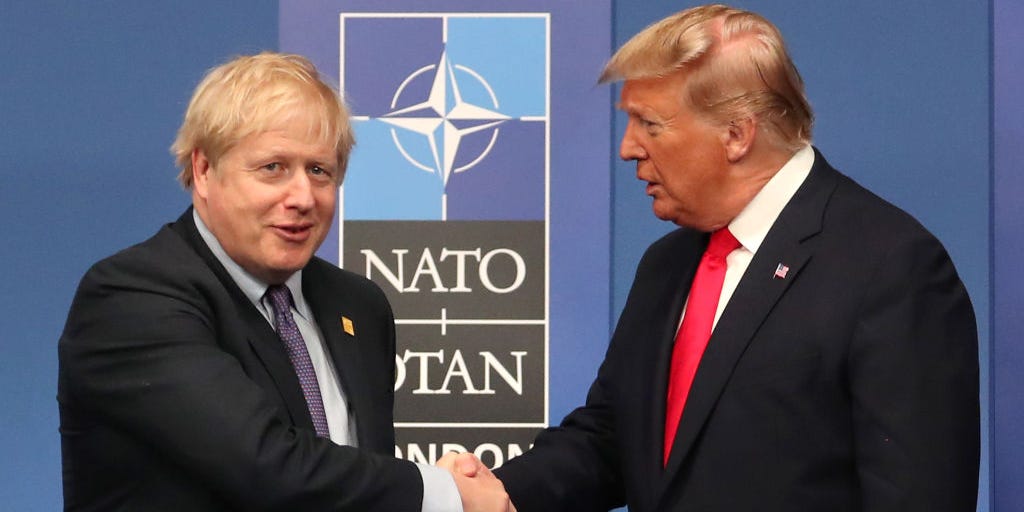
The
great investigative journalist John Pilger must’ve spat a fountain of feathers
when informed that his report on Boris Johnson’s plans for the NHS was to be buried
in a graveyard slot after the election. This, we're told, is officially due to broadcasting
rules of impartiality during a G.E. campaign. Yeah, right. Full disclosure: I
haven’t actually seen the programme, as it wasn't available for preview at the time of writing, but this is how Pilger describes it: “The
NHS today is under threat of being sold off and converted to a free market
model inspired by America's disastrous health insurance system, which results
in the death every year of an estimated 45,000 people. Now President Trump says
the NHS is ‘on the table’ in any future trade deal with America.”
LAST WEEK’S TV
ELIZABETH IS MISSING
Sunday 8th December, BBC One
The
last time we saw the seemingly retired Thesp and former Labour MP Glenda
Jackson on TV was either via Morecambe and Wise repeats or on Newsnight. So it was a rare pleasure to
be reminded of what a great actor she is in Elizabeth
is Missing, a beautifully-written, gut-punching drama in which she played
an octogenarian with Alzheimer’s. This was the sort of role for which
grandstanding, BAFTA-hungry actors were born to inhabit with the utmost
faux-humility, but Jackson is better than that. Her vanity-free performance as Maude was
utterly convincing, tender and true. Actually magnificent. Maude’s life is all
our lives. We love, we laugh, we cry, we frail away and die. Alzheimer’s is a
devastating disease, we must never, ever ignore or misunderstand it. These people
aren’t invisible. Take care of each other, will you?


